
The Clifford's Honey Pumper Blog
24-Hour Emergency Services
Same-Day Services
Free Estimates
Protect your septic system while entertaining guests this season.
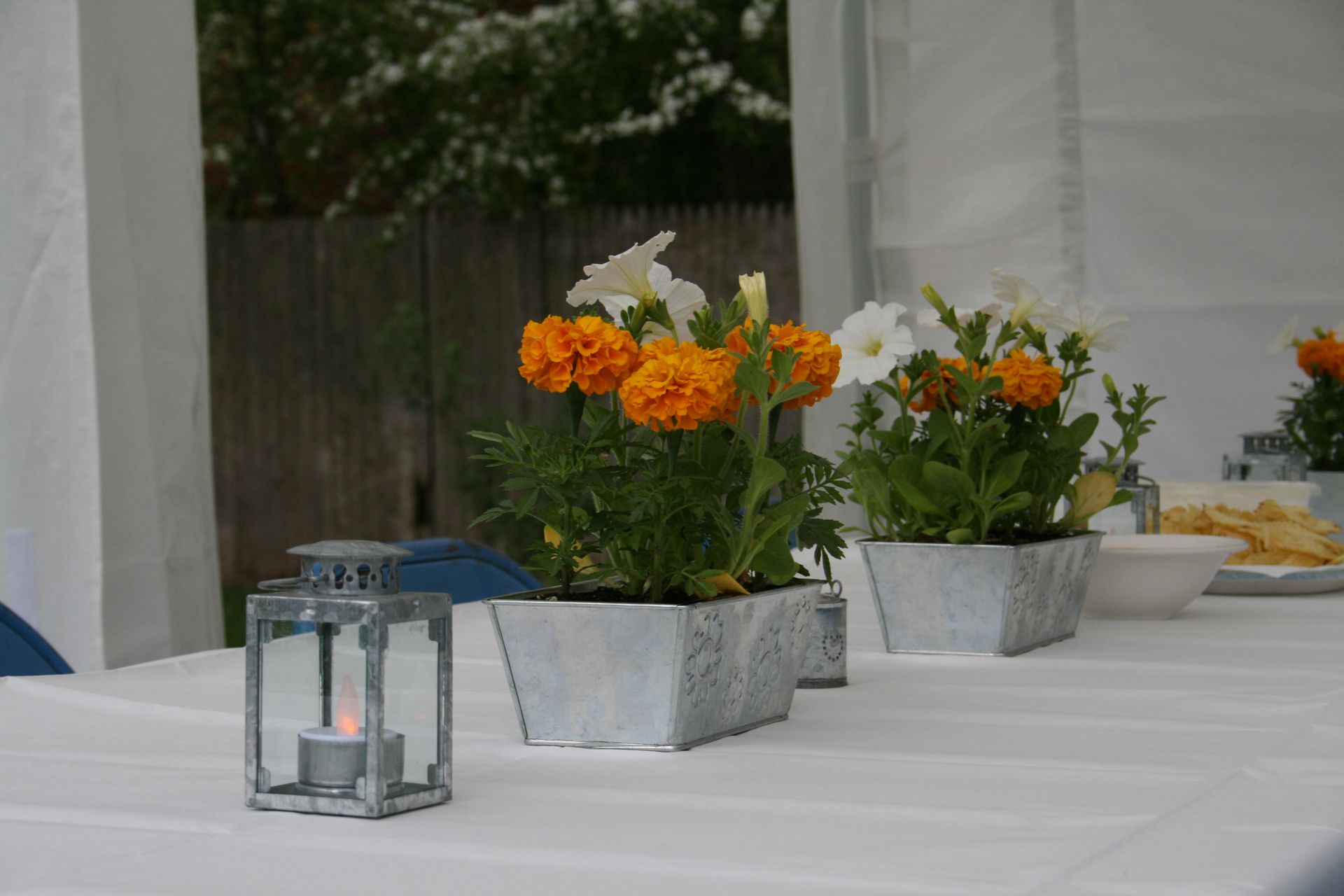
Seasonal homes, summer rentals, and weekend guests can quickly overwhelm your system if you’re not prepared.

The body content of your post goes here. To edit this text, click on it and delete this default text and start typing your own or paste your own from a different source.

After months of little to no use, your system may not be ready to handle the sudden increase in demand. ❄️ What Happens Over the Winter? Even when your home isn’t in use: • Solids remain in your septic tank • Buildup from previous use doesn’t disappear • System balance can shift due to inactivity When you suddenly return to full usage, these issues can surface quickly. 🚨 Early Warning Signs to Look For Before fully reopening your home, check for: • Slow-draining sinks or showers • Unusual gurgling sounds • Odors inside or outside your home These are signs your system may need attention. 🌷 Start the Season Right A simple inspection or pumping before the season begins can prevent costly repairs and disruptions later—especially during peak summer use. 📞 Schedule Before the Rush Clifford’s Cesspool Service helps homeowners across the East End prepare their properties for the season. 👉 Call today to make sure your septic system is ready for a smooth summer.
One of the most common things we hear at Clifford’s Cesspool Service is: “We’ve been in this house for 20–25 years and never had an issue.” While that may sound like a good sign, in reality, it’s often the opposite. 🚨 Why “No Problems” Doesn’t Mean Your Septic System Is Healthy Septic systems and cesspools are designed to gradually collect and break down waste—but they do not eliminate it completely. Over time, solids build up and: • Reduce your system’s capacity • Clog/destroy leaching ability of cesspool • Prevent proper drainage • Increase pressure on the system This happens slowly, often without noticeable signs—until a failure occurs. 🌊 Eastern Long Island Conditions Make It Worse Homes on the North Fork and South Fork face unique environmental factors: • Sandy soil allows wastewater to move quickly—but also carries contaminants • High groundwater levels reduce your system’s ability to drain properly • Seasonal population spikes increase system usage dramatically These conditions make routine septic pumping and inspections even more important than in other areas. ⚠️ What Happens If You Ignore Maintenance? Waiting until there’s a visible problem can lead to: • Sewage backups inside the home • Pooling wastewater in the yard • Strong odors around your property • System failure requiring replacement A full replacement can cost tens of thousands of dollars, especially with newer environmental regulations on Long Island. ✅ The Smart Approach: Preventative Maintenance Regular cesspool or septic system maintenance: • Extends the life of your system • Helps avoid emergency situations • Saves money long-term • Keeps your home safe and sanitary Most homes should be serviced every 2–3 years, depending on usage. 📍 Local, Trusted Service on the East End At Clifford’s Cesspool Service, we’ve been helping homeowners across the North Fork and South Fork maintain their systems for generations. We understand the unique challenges of Eastern Long Island and provide honest, reliable service to keep your system working properly. 📞 When in Doubt—Check It Out If you’ve never serviced your system—or can’t remember the last time—don’t wait for a problem. A routine pump-out now can prevent a major repair later.
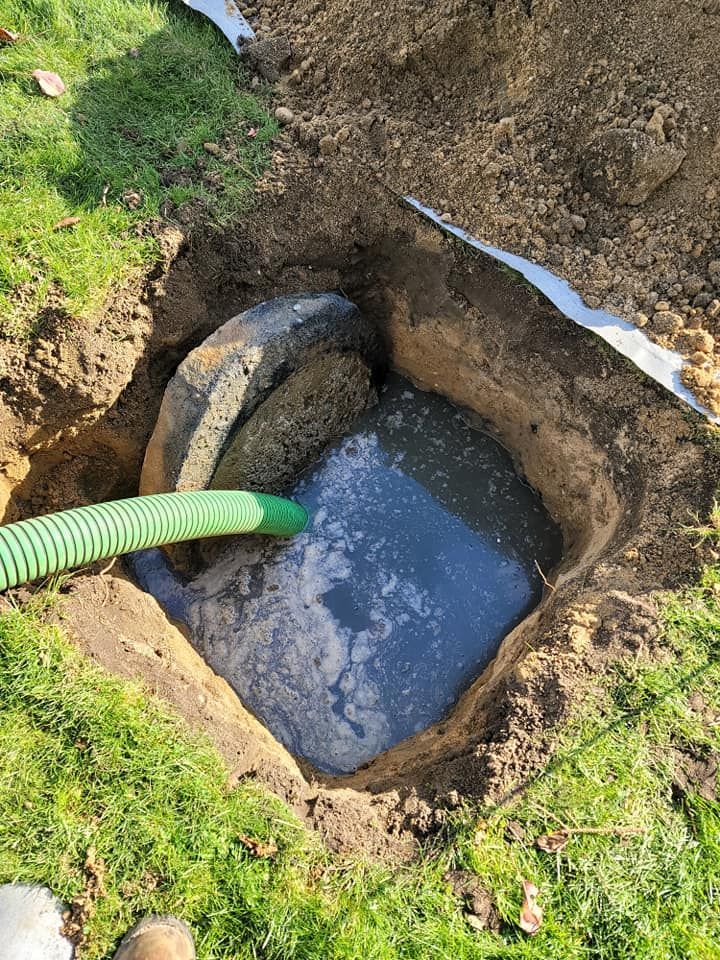
🌼 Yard projects are starting 🚜 Septic systems are waking up after winter With Easter weekend here, a lot of homes are hosting, planting, and prepping outdoors — but what you plant (and where) can make or break your septic system. 🌱 DO’s: Septic-Safe Spring Planting ✔️ Plant grass over your septic area Grass is your system’s best friend — helps prevent erosion and absorbs excess moisture. ✔️ Keep gardens a safe distance away Vegetable gardens & flower beds should be at least 10–20 feet from your septic tank & leach field ✔️ Use shallow-root plants Think: • Perennials • Native grasses • Small flowers ✔️ Know your system location before digging (If you’re not sure — we can help you find it 👇) 🚫 DON’Ts: What to NEVER Plant Near Your Septic ❌ Trees or large shrubs (roots WILL find your tank & lines) ❌ Heavy landscaping or raised beds over the system ❌ Driving equipment over your system ❌ Irrigation systems directly over septic areas 💡 Big mistake we see every spring on the East End: Homeowners plant privacy trees… then call us a year later with a clogged system 💸 🐰 Easter Hosting Tip (Most People Forget) Having guests this weekend? 👉 More people = more water use = more strain on your septic system Quick tips: • Spread laundry out over a few days • Fix slow drains BEFORE guests arrive • If it’s been 2–3 years… you may be due for pumping 📍 Local Insight (North Fork & South Fork) With our sandy Long Island soil, septic systems can work great — BUT root intrusion and overuse are the #1 causes of expensive repairs out here. Preventative maintenance now = no emergencies in peak summer season 📞 Clifford’s Cesspool Service Local. Honest. Reliable. We Pump It Right. Serving the North Fork & South Fork of Long Island

A blog consists of frequently, new posts or sometimes called articles, in reverse chronological order. So basically, the latest post appears first on a page. Plus, a blog allows for reader engagement. There’s usually a section at the bottom of the blog post for readers to comment and have further discussions with other readers. Here are some tips for you to help you maintain an interesting, relevant and reader-friendly blog that adds real value to your websites. 1. DESCRIBE THE BLOG RIGHT, RIGHT FROM THE START Think about what you’re going to blog about and write it down in a few short sentences. This description will help you stay aligned when you write posts and let your readers know what they to expect. 2. CREATE A SCHEDULE Schedules work. They keep you on track and focused. They give you structure and goals. If you’ve ever run a race, you know that having a training schedule (and sticking to it) is critical to success. So set a schedule that works for you (publish a new post once a week, twice a week, once every two weeks) and stick to it. 3. OPTIMIZE YOUR BLOG FOR SEO A huge incentive for adding a blog to your site is to have organic content that brings visitors to the site (without paying for them). When you add a blog to your site, you’re adding fresh content that can bring organic traffic, but only if search engines notice the content.
Share On: